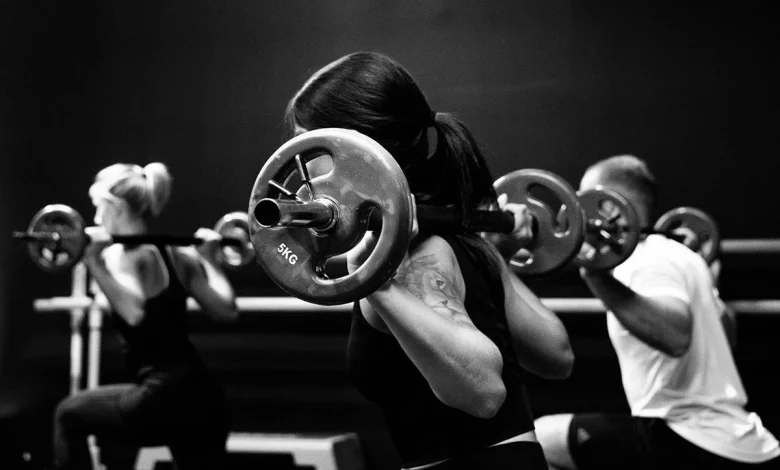
Regulars who attend a bodypump class often reach a stage where they want to optimise comfort, performance and consistency. After months of attending, participants begin to realise that what they wear, carry or use during class affects their technique, endurance and overall workout experience. The right gear does not make the class easier, but it does make the training more effective, safer and more enjoyable. Shopping for fitness gear in Singapore can be overwhelming due to the wide variety of choices, climate considerations and personal preferences. This article provides practical, non generic guidance for regular bodypump participants looking to invest wisely in equipment and accessories that support long term training.
Bodypump is a high repetition barbell strength endurance programme, which means participants need items that support grip, stability, mobility and comfort. The goal is not fashion, but functional performance that enhances the structured nature of the class.
Understanding What You Really Need For Bodypump Training
Shopping for fitness gear often starts with visual appeal, but regular bodypump members quickly learn that functionality matters more. Unlike strength training at the gym with machines, bodypump requires:
- Consistent grip
- Controlled movement patterns
- Quick transitions
- Stable footwear
- Sweat management
- Joint support
- Durability for repeated use
The items you choose should support these demands. Investing thoughtfully prevents unnecessary spending and contributes to a smoother class experience.
Footwear: The Foundation Of Safe And Stable Movements
Footwear is the most critical purchase for regular bodypump members. Many newcomers wear running shoes, but regular participants often switch to shoes with better stability.
What To Look For In Bodypump Footwear
-
Firm, flat base for squats and lunges
-
Support around the heel for stability
-
Non slippery soles for studio floors
-
Breathable materials for Singapore’s humidity
-
Lightweight design for quick transitions
Running shoes can feel too cushioned, which reduces stability during heavy lower body tracks. Shoes designed for training or lifting provide a more secure base.
Why Stability Matters
A stable shoe helps maintain proper knee alignment during squats and lunges. It also reduces strain on the ankles. Over time, this minimises the risk of discomfort or minor injuries.
Weightlifting Gloves: Grip Support Without Overreliance
Grip gloves are popular among regular attendees because barbell work involves repetitive gripping that can cause discomfort. Sweat can also make the grip slippery. However, gloves should aid grip without becoming a crutch.
What Good Grip Gloves Provide
-
Padding to reduce pressure on palms
-
Non slip surface for better bar control
-
Breathability to reduce sweat accumulation
-
Wrist comfort without restricting movement
Avoid overly thick gloves. These reduce bar feel and interfere with technique.
When Gloves Are Useful
-
Deadrow heavy phases in the back track
-
Long lunge tracks with repeated holds
-
Clean and press sequences
-
High repetition deadlifts
Participants who sweat heavily find gloves especially beneficial.
Wrist Wraps And Support Gear: Helpful But Not Always Necessary
Many people wonder if they need wrist wraps or additional support gear for bodypump. The answer depends on your wrist mobility and the load you choose.
Wrist Wraps Can Help If You Experience
-
Wrist fatigue during push phases
-
Discomfort in overhead movements
-
Pressure during clean and press
-
Tenderness after several weekly classes
Choose wraps that provide light support, not rigid immobilisation.
When Not To Use Wrist Wraps
If wrist pain becomes a recurring issue even with proper technique, wraps should not be a long term solution. Improving wrist mobility or modifying load is a better long term approach.
Knee Sleeves And Joint Protection For Lower Body Dominant Tracks
Bodypump involves frequent squats, lunges and deadlifts. Members with sensitive knees sometimes benefit from knee sleeves.
Benefits Of Knee Sleeves
-
Gentle warmth around the joint
-
Increased blood flow
-
Slight compression for stability
-
Confidence during deeper squat ranges
Choose sleeves that are thin and flexible. Thick powerlifting style sleeves are unnecessary for bodypump.
When Knee Sleeves Make Sense
-
If you attend more than three classes a week
-
If you struggle with knee tracking
-
If you feel insecure during lunges
-
If you return after a long break and need transitional support
Towels, Sweat Bands And Grip Towels
Singapore’s climate makes sweat management essential. Having the right accessories helps maintain grip and prevents slipping.
Must Have Items
-
Fast drying small towel
-
Microfibre grip towel
-
Lightweight sweat band for forehead
Sweat that drips onto the barbell or floor can affect grip and foot stability. Keeping a towel within reach helps maintain safety and comfort.
Water Bottles: Hydration For A High Repetition Strength Class
Bodypump is a strength endurance programme that elevates heart rate significantly. Hydration influences performance, blood flow and muscle contraction.
Recommended Bottle Features
-
Easy sip top for quick breaks
-
Leak proof design
-
Insulated bottle to keep water cool
-
Lightweight for carrying between stations
Hydration becomes even more important when attending evening classes after a long day in an air conditioned office environment.
Essential Bags For Regular Bodypump Participants
For people who attend three to four times a week, a functional gym bag helps keep gear organised and hygienic.
A Good Bodypump Bag Should Offer
-
Separate compartments for sweaty gear
-
A ventilated shoe section
-
Space for wrist wraps, gloves and towels
-
Pockets for toiletries and valuables
-
Durable straps for daily commuting
Compact, lightweight designs work best for public transport users.
Clothing Choices That Support Full Range Movement
Clothing should allow smooth motion during squats, lunges, rows and overhead movements. Singapore’s humid climate makes fabric choice even more important.
What Works Well
-
Light compression tights or shorts
-
Breathable tops that dry quickly
-
Longer line tops for comfort in bending movements
-
Fabrics that do not restrict shoulder mobility
Avoid clothes that become heavy when soaked with sweat.
Foam Rollers And Recovery Tools To Complement Bodypump
Regulars often buy recovery tools to manage muscle tightness after intense sessions.
Useful recovery tools include:
-
Foam rollers
-
Massage balls
-
Compact back rollers
-
Calf release tools
These help maintain flexibility and reduce stiffness between classes.
Smart Shopping Strategy: Prioritise Function, Not Quantity
Many people buy too much gear too soon. The best approach is incremental.
Begin With Essentials
-
Stable shoes
-
Towel
-
Water bottle
Add Support Gear As Needed
-
Grip gloves
-
Wrist wraps
-
Knee sleeves
Add Accessories For Convenience
-
Gym bag
-
Sweat band
-
Recovery tools
Shopping gradually helps you understand what truly benefits your training style.
Buying Based On Your Bodypump Frequency
Your shopping choices should match your weekly attendance.
1 to 2 Classes Weekly
Focus on stable shoes, towel and water bottle.
3 to 4 Classes Weekly
Add gloves, wrist wraps or knee sleeves if needed.
5 or More Classes Weekly
Invest in durable gear, recovery tools and backup clothing.
Budget Considerations: The Smart Way To Spend
You do not need premium items to train well. Instead, choose reliable gear within a reasonable budget.
Spend More On
-
Stable shoes
-
Durable gym bag
Spend Moderately On
-
Gloves
-
Sleeves
-
Towels
Spend Less On
-
Sweat bands
-
Bottle straps
-
Smaller accessories
Practical spending ensures consistent performance without unnecessary expenses.
Maintaining Your Gear For Longevity
Proper maintenance extends the life of fitness gear and keeps it hygienic.
Care Tips
-
Wash gloves frequently
-
Air out knee sleeves after sessions
-
Clean shoes with mild wipes
-
Dry towels immediately
-
Periodically empty and clean the gym bag
Singapore’s humidity causes odour and bacteria buildup if gear is not cared for properly.
Creating A Personal Gear Checklist
A customised checklist prevents forgotten items.
A simple checklist includes:
-
Shoes
-
Gloves
-
Wrist wraps
-
Towel
-
Water bottle
-
Bag
-
Spare socks
-
Small deodorant or wet wipes
Having a personalised system saves time before class and reduces stress.
As regulars build their rhythm, many expand their training routine by exploring additional classes and fitness solutions at True Fitness Singapore, using bodypump as their main strength endurance anchor.
FAQs
Do I need special shoes for bodypump?
Yes, stable shoes improve balance and lower risk of knee or ankle strain. Running shoes are cushioned but lack stability for barbell work.
Should I buy gloves if my hands get sore?
Gloves help reduce pressure on palms. Choose ones with good grip and ventilation.
Are knee sleeves necessary for beginners?
Not always. Use them only if you feel instability or mild discomfort during deeper movements.
How often should I replace gym shoes?
Most people replace them every eight to twelve months, depending on frequency of use and wear patterns.
Can I use the same bag for work and gym?
You can, but having a dedicated gym bag with ventilation is more hygienic and convenient since it separates gear from daily items.