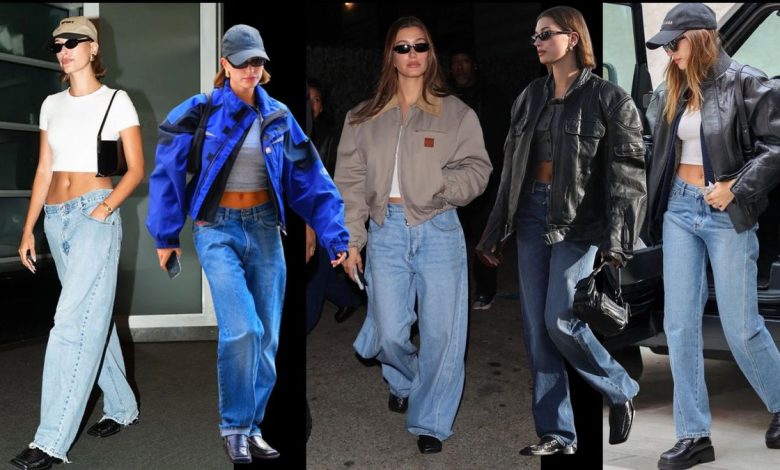
Most people believe their wardrobe issues stem from having too few clothes. In reality, the frustration of opening a packed closet and feeling like there is nothing to wear almost always comes from having too many versions of the exact same thing.
Look into an average closet, and the patterns reveal themselves instantly. There are not just three pairs of jeans, but seven pairs of mid-rise, medium-wash denim cut from nearly identical cotton blends. There are four navy crewneck sweaters that share the same gauge and neckline, differing only by the label stitched inside the collar.
Buying duplicates feels like a harmless personal quirk, but it quietly drains financial resources, clutters physical space, and creates visual paralysis. When every garment performs the exact same functional and aesthetic role, your closet does not offer options; it offers echoes.
Breaking this cycle does not require abandoning personal style or forcing yourself into garish prints and unfamiliar silhouettes. It requires diagnosing why your brain treats familiar garments as a security blanket, establishing friction before purchases happen, and learning how to expand your range with deliberate intention.
The Subtle Psychology Behind the Repeat Purchase
We rarely buy duplicates by accident. The compulsion is rooted in how the brain navigates uncertainty, risk, and sensory comfort.
The Illusion of Safety
Shopping involves financial and aesthetic vulnerability. Trying an unfamiliar cut or color carries the risk of regret: the item might feel awkward, draw unwanted attention, or languish on a hanger unworn. A classic striped Breton top or a black oversized blazer, however, represents proven safety. When you see another iteration on a rack, your brain recognizes an item that has never failed you. Buying it is an attempt to purchase confidence rather than a new garment.
The “Backup” Mentality
Many shoppers justify duplicates under the guise of preparedness. You find a pair of trousers that fits your waist and hips without requiring tailoring, and panic sets in: What if the brand discontinues these? What if they wear out? You buy a second pair, or perhaps a third in a barely distinguishable shade of charcoal. In reality, modern garments rarely wear out before our bodies, tastes, or lifestyles shift. The backup pair often sits untouched for years, losing relevance while occupying premium hanger space.
Retail Merchandising Traps
Fashion brands know consumer habits intimately. They design collections around subtle variations of proven bestsellers because predictability generates revenue. When a retailer displays an ivory ribbed henley, a stone-colored waffle-knit shirt, and an oatmeal thermal long-sleeve within arm’s reach of one another, they are giving you permission to purchase the same aesthetic category under the illusion that you are acquiring variety.
The Visual Shock Audit
You cannot curb an unconscious behavior until you make its physical results undeniable. The first step toward stopping repeat purchases is gathering empirical evidence from your own closet.
Clear off your bed and pull out every item from a single category. If your weakness is knitwear, gather every cardigan, pullover, and turtleneck. If your weakness is denim, pile every pair in one place.
Sort these pieces by silhouette and color rather than brand or occasion. Place the gray crewnecks side by side. Stack the black leggings together.
This exercise creates an immediate visual shock. Seeing seven nearly identical black ankle boots lined up side by side breaks through the rationalizations we make when shopping in isolation.
Ask yourself several pointed questions about each cluster:
-
Which specific piece in this group fits best right now?
-
Which one do you automatically reach for when all of them are clean?
-
What minor defect makes you avoid the others (an itchy fabric, a waistband that rolls down, an awkward cuff)?
Inevitably, one item emerges as the undisputed favorite. The rest exist only as compromised stand-ins. Once you identify the clear winner in any category, the justification for holding onto—or adding to—the duplicates collapses.
Identifying Your Emotional and Contextual Triggers
Repetitive buying is often an emotional coping mechanism rather than an intentional wardrobe strategy.
When work feels overwhelming or life feels chaotic, shopping offers a quick hit of low-friction dopamine. In those moments of fatigue, your decision-making capacity is depleted. You lack the mental bandwidth to evaluate an adventurous cut or imagine how a distinct texture might integrate with your existing wardrobe. You naturally gravitate toward what requires zero cognitive effort: another pair of relaxed chinos, another plain white tee, or another black tote bag.
Sales environments amplify this vulnerability. When you see an item heavily discounted, your analytical brain looks for reasons to say yes. If the item resembles something you already wear constantly, your mind frames the purchase as sensible: I wear black turtlenecks all winter anyway, so paying thirty dollars for this one is smart. What you ignore is the law of diminishing returns. The fourth black turtleneck brings virtually zero marginal utility to your daily life, making even a deep discount a waste of money.
Implementing Strategic Friction Systems
Willpower alone rarely stops habitual buying. You need external systems that interrupt the automatic path between seeing a familiar piece and pulling out your credit card.
The Mandatory 72-Hour Cooldown
Whenever you feel the pull toward an item that shares more than two characteristics (same color family, same neckline, same silhouette) with something you already own, enforce a strict seventy-two-hour waiting period. Leave the store or close the browser tab.
During those three days, make a point to wear the similar item you already own. Often, wearing the existing piece satisfies the underlying desire for that aesthetic, eliminating the urge to acquire another one.
The Three-Outfit Test
Never buy a garment unless you can mentally construct three distinct outfits using pieces currently hanging in your closet—excluding any duplicate counterparts. If you are looking at a dark green button-down, you cannot count three ways to wear it if all three ways simply replicate how you already style your olive green button-down. It must serve a different styling purpose, pair with different textures, or support different settings.
The Explicit “Do Not Buy” Registry
Keep a running list in your phone notes labeled with absolute clarity. List the categories where your wardrobe is entirely saturated.
For instance:
-
Black leather jackets (Current inventory: 2)
-
Striped cotton long-sleeve shirts (Current inventory: 4)
-
Camel overcoats (Current inventory: 2)
-
Raw-hem denim (Current inventory: 3)
Review this list whenever you enter a store or browse an online storefront. Setting explicit boundaries removes the ambiguity that allows impulsive duplicate buying to thrive.
How to Expand Your Wardrobe Without Style Shock
Many people keep buying the same garments because the alternative feels terrifying. Jumping straight from neutral, structured basics to bold colors or avant-garde silhouettes usually results in buyer remorse, sending shoppers scurrying straight back to their comfort zones.
The solution is not radical reinvention, but controlled micro-shifts. You change one single variable while keeping everything else anchored in your comfort zone.
Shift the Texture, Keep the Silhouette
If you love black sweaters and find yourself constantly buying them, do not force yourself into an electric blue sweater you will never wear. Instead, vary the fabric. If you own smooth merino wool, look for a brushed mohair, an open-weave cotton, or a substantial cable knit. The color remains safe and familiar, but the textural difference introduces depth and dimension to your outfits.
Shift the Cut, Keep the Fabric
If you live in rigid blue denim, stop buying the same mid-rise straight leg. Explore a wide-leg cut with a clean drape, or a relaxed taper with a slightly cropped hem. The fabric maintains the durability and casual ease you rely on, but the changed proportions immediately alter your visual presence.
Shift the Tone Within the Same Palette
If your default response to getting dressed is monochrome black, try branching into espresso brown, deep charcoal, washed slate, or rich olive. These shades function as neutrals and pair effortlessly with your existing wardrobe, yet they soften high-contrast outfits and create visual variety without requiring bright colors.
Curating Depth Over Redundancy
A functional, expressive wardrobe is built on variety of purpose rather than repetition of form.
When you eliminate the noise of twenty redundant items, you begin to appreciate the true workhorses of your closet. You learn that one impeccably tailored pair of trousers delivers more confidence and styling versatility than four pairs bought off the rack on clearance that fit only passably well. You free up financial resources to invest in thoughtful alterations, superior fabrics, and unique signature pieces that genuinely elevate your everyday look.
The next time you reach for that familiar sweater or that default cut of jeans, pause. Acknowledge that the comfort you seek is already hanging in your closet at home. Let the rack hold the copy, and go home to wear the original.


