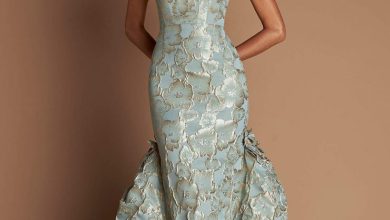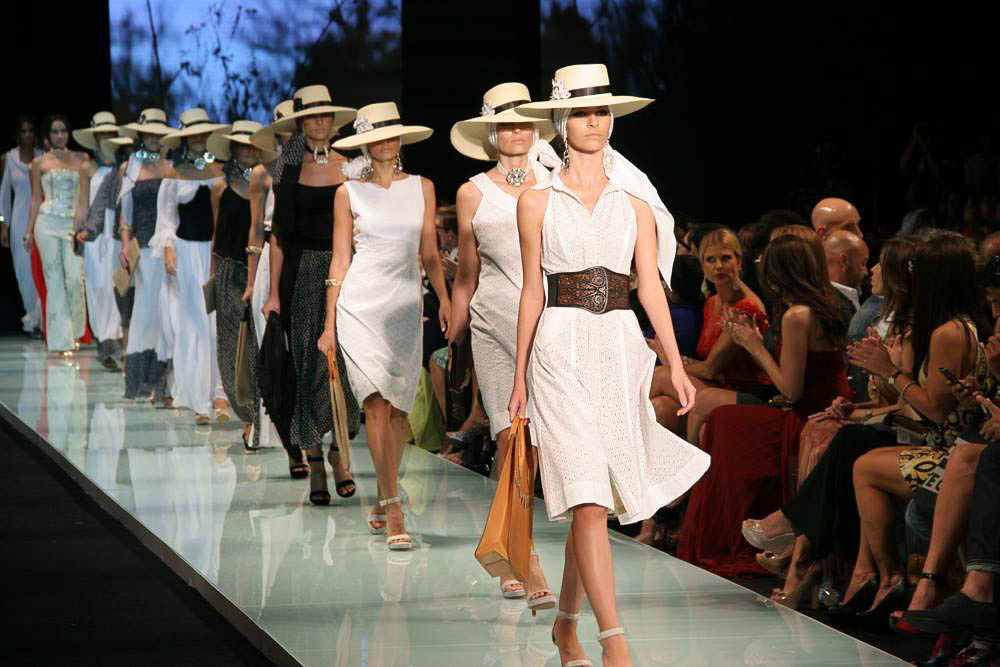
Fashion is not merely about clothing; it is an ever-changing form of art, culture, and communication. The keyword fashion represents a universal language that transcends borders, reflecting who we are, where we come from, and how society evolves. Throughout history, fashion has shaped economies, influenced politics, and defined identities. Today, it stands at the intersection of creativity, technology, and sustainability, continuously adapting to the values of each generation.
Understanding the Essence of Fashion
Fashion embodies self-expression and societal trends. It mirrors the collective consciousness of an era while allowing individuals to assert their personality. In modern times, it is no longer limited to runways or luxury labels but has become a dynamic ecosystem connecting art, culture, and technology.
Fashion changes in cycles. What was once revolutionary becomes classic, and what is old often returns with new meaning. This cyclical nature makes it a fascinating reflection of human creativity and adaptation.
The Role of Fashion in Society
Fashion holds immense social significance. It communicates identity, belonging, and aspiration. What people choose to wear is influenced by their environment, culture, and personal beliefs. Fashion also acts as a social equalizer and a differentiator, representing both conformity and individuality.
Beyond aesthetics, it often mirrors social change. For instance, the emergence of minimalist fashion reflects modern values of sustainability and mindfulness, while bold, eclectic trends celebrate diversity and freedom of expression.
The Economic Power of Fashion
Fashion is one of the largest global industries, generating billions annually and employing millions across design, manufacturing, and retail sectors. The economic ripple effect extends to advertising, media, and technology, demonstrating its influence beyond clothing alone. In many countries, fashion drives innovation in materials science, digital commerce, and sustainability.
Historical Evolution of Fashion
Fashion has undergone immense transformation, adapting to societal, political, and technological developments. Its history tells a story of changing values and human ingenuity.
Early Origins and Symbolism
In ancient civilizations, clothing was both functional and symbolic. Egyptians wore linen garments representing purity and social hierarchy, while Romans expressed status through color and fabric. In Asia, silk became a symbol of wealth and artistry, with patterns reflecting family heritage and belief systems.
During the Renaissance, fashion became a statement of opulence. Lavish fabrics, embroidery, and structured garments symbolized aristocratic dominance. The 18th and 19th centuries saw industrialization revolutionize clothing production, making fashionable attire more accessible to the masses.
The Birth of Modern Fashion
The 20th century marked the true democratization of fashion. Designers began challenging conventions, introducing styles that reflected societal shifts. The 1920s flapper dresses represented liberation; the 1950s emphasized elegance and femininity; and the 1960s revolutionized youth culture through bold experimentation.
By the late 20th century, global influences, technology, and celebrity culture began shaping how trends spread. Fashion became faster, more inclusive, and more representative of diverse identities.
Technology and the Transformation of Fashion
Technological innovation has profoundly reshaped every aspect of fashion, from design to production and retail. Modern fashion thrives at the intersection of creativity and computation.
Digital Design and Artificial Intelligence
AI tools assist designers in predicting trends, optimizing supply chains, and creating new designs. Data analytics analyze consumer behavior, helping brands develop collections that align with demand. Virtual prototyping and 3D modeling reduce waste and speed up the creative process.
Smart Textiles and Wearable Innovation
Smart fabrics integrate technology into clothing, offering temperature regulation, biometric tracking, and adaptive comfort. From athletic wear to high fashion, these innovations blend style with functionality, enhancing daily experiences while promoting health and convenience.
The Rise of Virtual Fashion
With digital advancements, virtual fashion is emerging as a new form of expression. Designers now create digital garments for avatars in virtual worlds or for augmented reality experiences. Virtual showrooms and metaverse fashion events are redefining how fashion is presented and consumed globally.
Sustainability: Fashion’s Defining Challenge
The growing awareness of climate change and resource depletion has forced the fashion industry to confront its environmental impact. Sustainable fashion is now a movement that redefines creativity through responsibility.
Eco-Friendly Materials and Practices
Sustainability begins with material innovation. Designers are turning to organic cotton, hemp, bamboo, and recycled textiles to minimize harm. New bio-engineered fabrics such as mushroom leather and lab-grown silk offer ethical alternatives without compromising quality or aesthetics.
Waterless dyeing techniques, renewable energy usage, and waste-free pattern cutting are further transforming how garments are made. This holistic approach ensures fashion can be both beautiful and sustainable.
Circular Fashion and Ethical Production
Circular fashion emphasizes extending the life cycle of garments through repair, reuse, and recycling. Upcycling transforms old materials into new designs, while second-hand and rental models promote mindful consumption.
Ethical production also plays a crucial role. Transparent supply chains and fair labor practices ensure that sustainability includes social justice. Consumers today expect accountability, and fashion brands must align their values with environmental and ethical standards to remain relevant.
The Cultural and Psychological Power of Fashion
Fashion is deeply intertwined with psychology and culture. It shapes perceptions, builds confidence, and reinforces identity. Every piece of clothing carries meaning, influenced by context and personal experience.
Fashion as Identity and Expression
Fashion gives individuals a voice. Through colors, textures, and silhouettes, people express emotions, beliefs, and aspirations. Whether it’s power dressing for corporate confidence or streetwear for creative freedom, fashion helps individuals construct their self-image.
Fashion and Gender Expression
The boundaries of fashion and gender are dissolving. Gender-neutral collections and fluid silhouettes redefine how society views identity and style. This inclusivity not only encourages creative freedom but also challenges traditional norms that once restricted expression.
The Psychological Impact of Dress
The concept of “enclothed cognition” explains how what we wear affects how we feel and perform. Dressing with intention can improve confidence, motivation, and mood. This psychological connection between attire and behavior reinforces fashion’s role beyond aesthetics—it becomes a tool for empowerment.
Globalization and the Spread of Fashion Influence
Globalization has made fashion a universal language. Trends now emerge simultaneously across continents, and digital platforms accelerate their spread.
Cross-Cultural Fusion
Cultural fusion has become one of the most exciting elements of modern fashion. Designers draw inspiration from diverse traditions, combining fabrics, patterns, and techniques from different regions. This exchange promotes appreciation while fostering innovation.
The Role of Media and Social Platforms
Social media has transformed how fashion trends develop. Influencers, stylists, and everyday users have become tastemakers, shaping what’s in vogue. This democratization of influence means creativity can come from anywhere, not just traditional fashion capitals.
Fashion Weeks and Digital Showcases
Fashion weeks continue to set the global agenda for trends. However, digital showcases are now redefining accessibility, allowing audiences worldwide to experience collections in real-time. This digital inclusivity is reshaping the way designers connect with consumers and critics alike.
The Future of Fashion: Innovation Meets Responsibility
Fashion’s future will be shaped by balance—between technology and tradition, speed and sustainability, individuality and inclusivity. The industry is moving toward a model that values creativity, responsibility, and longevity.
The Role of Artificial Intelligence in Trend Forecasting
AI’s predictive power will streamline supply chains and reduce overproduction. Designers will rely on data-driven insights to create pieces that align with genuine consumer demand, reducing waste and improving efficiency.
Biotechnology and Material Science
Advances in biotechnology will continue to redefine fabrics. Clothes made from algae, lab-grown leather, and biodegradable fibers will soon become mainstream. These innovations combine aesthetics with sustainability, transforming how garments interact with the environment.
Consumer Behavior and Conscious Fashion
The modern consumer is more informed than ever. Conscious fashion choices prioritize transparency, ethical sourcing, and timeless design over disposable trends. As awareness grows, the industry must align with this mindset to thrive in the long term.
Frequently Asked Questions
Q1: How does fashion influence cultural identity?
Fashion preserves and evolves cultural identity by blending traditional elements with contemporary designs. It acts as a bridge between heritage and modern expression.
Q2: What role does technology play in fashion design?
Technology enhances creativity and efficiency through AI-driven trend analysis, digital patterning, and 3D modeling. It enables sustainable and precise production.
Q3: Why is sustainability essential for the future of fashion?
Sustainability ensures that fashion minimizes its environmental footprint and respects human labor. It transforms creativity into a responsible, regenerative process.
Q4: How is fashion becoming more inclusive?
Fashion is embracing all body types, genders, and cultures. Inclusive designs celebrate diversity and allow everyone to participate in style expression.
Q5: What is circular fashion, and why is it important?
Circular fashion promotes recycling, repairing, and repurposing garments to reduce waste. It ensures that clothing maintains value and function beyond its initial use.
Q6: How is digital fashion changing consumer experiences?
Digital fashion allows virtual try-ons, avatar clothing, and immersive online showcases. It merges innovation with convenience while reducing physical waste.
Q7: What will define fashion in the next decade?
The future of fashion will be shaped by sustainability, smart materials, and individuality. Brands will focus on ethical production, digital experiences, and personalized creativity.
Fashion will always remain a reflection of humanity—an ever-evolving dialogue between art, culture, and innovation. It embodies the world’s creativity, resilience, and the endless pursuit of beauty with purpose.