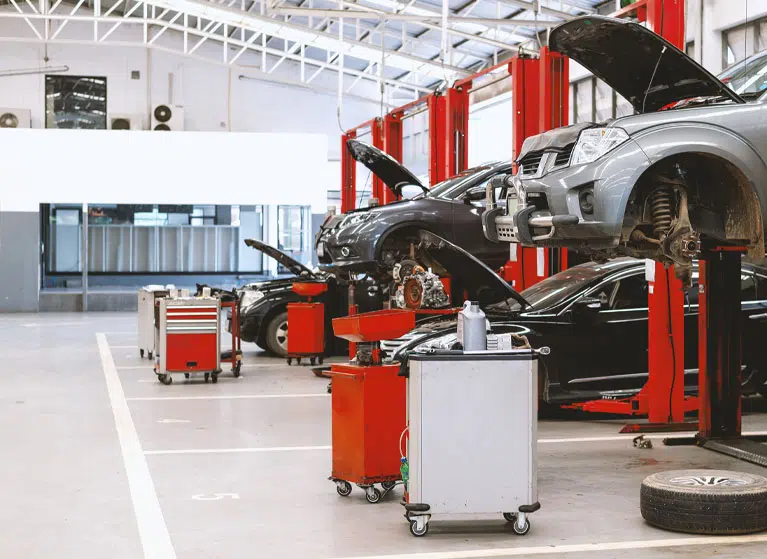
The auto repair shop industry stands at a pivotal moment in its evolution. With the rise of electric vehicles (EVs), unprecedented advances in vehicle technology, and shifting customer expectations, repair shops must adapt or risk obsolescence. This article dives deep into the forces reshaping the industry and outlines how forward-thinking businesses can thrive amid disruption.
A key driver is the transition to electric and hybrid vehicles, which is already changing demand for traditional services. In many ways, the future of the auto repair shop industry will depend on how well shops pivot toward specialized diagnostics, high-voltage expertise, digital integration, and customer experience.
Below is an in-depth exploration of the major trends, challenges, and opportunities ahead.
The EV Revolution and Its Implications for Repair Shops
Fewer moving parts, different maintenance profile
Electric vehicles simplify the drivetrain significantly: fewer gears, no oil changes, no spark plugs, and fewer belts or timing systems. Because of that, many routine maintenance services central to traditional repair shops are becoming less relevant.
At the same time, new complexity emerges through battery systems, power electronics, inverters, and regenerative braking components. These require specialized tools, safety protocols, and technical knowledge.
Although EVs tend to require less frequent mechanical maintenance, the cost and intricacy of parts make any necessary repairs more expensive—and more specialized. The repair shop’s role shifts from “do many basic services” toward “expert-level diagnostics and repairs on advanced systems.”
Growing share of EV/Hybrid business
Many independent repair shops have already felt the change. A majority now report servicing EVs and hybrids, with significant recent growth in that segment.
Shops that embraced this shift early invested in tools and technician training to service battery electric vehicles (BEVs) and hybrid electric vehicles (HEVs). Despite the challenges, this early adaptation gives them competitive advantage.
Safety, regulation, and liability
Working with high-voltage systems carries serious risks: electric shock, thermal runaway, battery fires, etc. Shops must implement strict safety protocols, specialized equipment (e.g., insulated tools, battery-handling gear), and detailed training.
Regulatory shifts, including right-to-repair laws and data access mandates, are also changing the landscape. Shops may demand more direct access to vehicle telematics and software diagnostics to stay competitive.
Digital Transformation & Predictive Maintenance
AI-driven diagnostics and predictive analytics
Artificial intelligence and machine learning are entering the everyday toolkit of advanced repair shops. By analyzing telematics data, sensor logs, and driving behavior, AI models can predict likely failures—allowing preventive maintenance before breakdowns. Diagnostics become faster, more precise, and more automated.
This not only saves time but improves accuracy and trust. Shops that harness predictive maintenance tools stand to increase average repair orders and reduce customer downtime.
Digital vehicle inspections and transparency
Customers now expect visibility into what’s happening under the hood. Digital vehicle inspections (DVIs)—with photos, video, and annotated reports—have become industry best practice. They foster transparency, increase upsell acceptance, and help technicians standardize inspection workflows.
Shops that integrate DVIs into their customer communication see stronger customer loyalty, higher approval rates for additional recommended services, and fewer disputes about work done.
Online booking, customer portals, and omnichannel engagement
Just like any modern service business, repair shops are adopting digital touchpoints. Online appointment scheduling, mobile service tracking, automated reminders, and integrated customer portals improve convenience and loyalty.
Customers now expect to check repair status via apps, approve additional work remotely, and receive updates digitally. Shops that lag behind will lose to more tech-savvy competitors.
New Business Models and Value-Added Services
Charging infrastructure, battery services, and EV-related offerings
Repair shops can expand into complementary services such as installing or maintaining EV charging stations, battery health diagnostics, and even energy storage solutions. As EV adoption grows, demand for charging infrastructure—and associated maintenance—expands.
Fleet partnerships and commercial vehicle servicing
Commercial fleets (delivery, rideshare, light commercial vehicles) increasingly adopt EVs and connected systems. Repair shops that specialize in fleet-level diagnostics, telematics integration, and uptime optimization can secure long-term contracts with predictable volume and revenue.
Mobility as a service, subscription, and preventive agreements
Some shops may transition from per-service billing to subscription-based preventive maintenance packages. Customers pay a monthly fee for ongoing checks, updates, and diagnostics, rather than waiting for breakdowns. This model aligns incentives and ensures consistent revenue.
Workforce, Training, and Talent Challenges
Skills gap and ongoing education
The required skill set for future auto repair is evolving rapidly. Technicians must understand:
- High-voltage electrical systems
- Software/firmware diagnostics
- Advanced driver-assistance systems (ADAS) calibration
- Data analytics and telematics
- Safety protocols for battery handling
Many legacy technicians will need retraining. Shops with better education programs, mentoring, and partnerships with technical institutes will have a competitive advantage.
Talent retention & recruitment pressures
Competition for high-tech talent will intensify. Shops must offer continuous learning paths, certifications, and compelling culture to retain staff. Investing in training not only mitigates risk but also becomes a differentiator in attracting ambitious tech-oriented mechanics.
Market Pressures and Operational Challenges
Parts supply constraints and rising overhead
Shops report that finding affordable, reliable parts is one of their top challenges. Global supply chain disruptions, semiconductor shortages, and OEM control on certain modules increase parts cost and lead times.
Operating costs—especially for advanced diagnostic tools, safety gear, software subscriptions, and energy—are rising. Margins may shrink unless shops adapt, optimize workflow, and leverage technology to improve efficiency.
Customer retention & trust in a digital era
As the complexity of repairs increases, so does customer skepticism. Transparent communications, clear justifications of work, and visible quality assurance become vital. Shops that build trust—through inspection media, warranties, and consistent service delivery—will retain customers in a more fragmented market.
Competitive pressure and consolidation
Larger national or regional chains and dealership service networks may consolidate smaller shops. They can absorb the costs of digital platforms, training, and capital investments more easily. Independent shops must remain nimble, differentiate on service depth, and adopt technologies early to compete.
Strategic Roadmap for Repair Shops of Tomorrow
To position for success, auto repair shops should consider the following strategic moves:
1. Conduct a capability audit
Evaluate your current tooling, diagnostics, technician skills, and safety protocols. Identify gaps in EV readiness, ADAS calibration, software access, and training.
2. Invest selectively in future-facing assets
Prioritize high-ROI tools: battery diagnostic systems, high-voltage toolkits, ADAS calibration rigs, remote diagnostics subscriptions.
3. Build a data and technology infrastructure
Adopt platforms for predictive maintenance, telematics integration, inspection software, and customer engagement. Ensure your data flows are integrated end-to-end.
4. Partner with OEMs, fleet operators, and tech providers
Seek alliances that help you access parts, training, and referral channels. Collaborations increase credibility and reduce standalone risk.
5. Develop an ongoing training culture
Codify knowledge transfer, sponsor certifications, invest in structured programs. Encourage your staff to grow as technologists, not just mechanics.
6. Reinvent service models
Move toward subscription preventive servicing, value-added offerings (charging, diagnostics), fleet contracts, or on-demand mobile repair to diversify revenue streams.
7. Prioritize customer transparency and experience
Publish digital inspection reports, open communication, remote approval flows, service tracking—all part of treating the customer as a partner, not just a transaction.
Frequently Asked Questions (FAQ)
Q: Will auto repair shops disappear because of EVs?
No. While certain routine services decline (oil changes, transmission work, etc.), new complexity (batteries, electronics, sensors) ensures repair shops still provide essential value. The nature of work evolves rather than disappears.
Q: How soon should a shop invest in EV capabilities?
Immediately. Early investment gives a competitive edge. As EV adoption grows, shops late to switch may be left behind by customers already expecting those services.
Q: Can small independent shops compete with national chains?
Yes, by specializing, offering superior customer experience, adopting niche expertise (e.g., fleet work, diagnostics), and nimble operations. Flexibility and lower overhead can be strengths when matched with digital tools.
Q: What safety considerations are critical when servicing EVs?
High-voltage shock protection, battery handling protocols, insulated tools, emergency shutdown procedures, fire suppression readiness—these are non-negotiable to protect staff and property.
Q: How do shops get access to vehicle software and diagnostic data?
Through partnerships, licensing with OEM diagnostic tools, open standards where allowed (right to repair), and telematics platforms. Trend toward more data-access mandates is helping independent shops gain access.
Q: Are margins going to shrink in the new era?
Possibly in commoditized services, yes. But margins in specialized diagnostics, battery repair, subscription models, and fleet contracts can be higher. Efficiency, scale, and technology are key to preserving profitability.
The auto repair shop industry is undergoing transformative shifts. Those who resist change may struggle; those who embrace innovation, elevate expertise, and reinvest in customer trust will lead the next generation.


