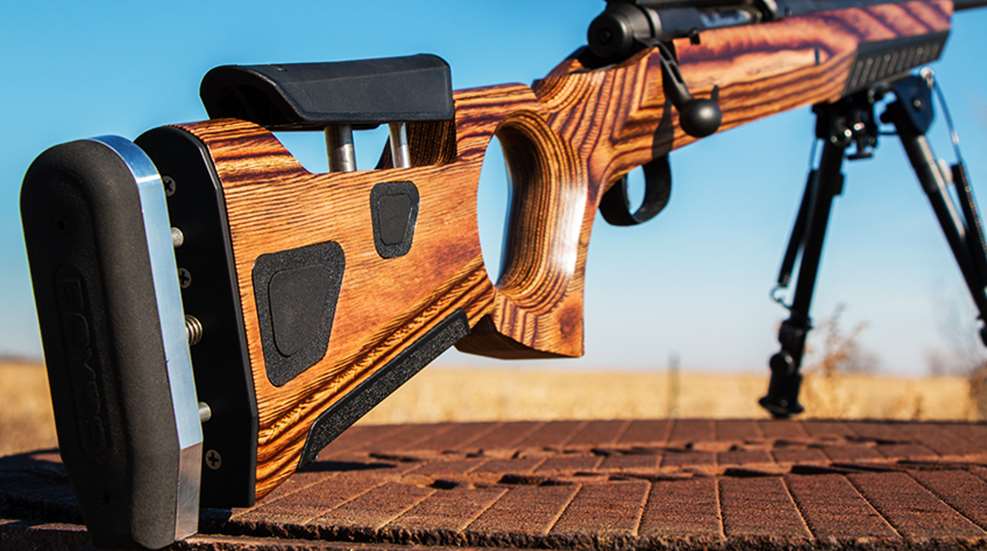
For many firearms enthusiasts, a rifle or shotgun is more than just a tool; it’s an extension of themselves. While factory gun stocks are functional, they often lack the personal touch and ergonomic precision that can truly elevate your shooting experience. Designing a personalized gun stock isn’t just about aesthetics; it’s about optimizing fit, improving comfort, and ultimately enhancing your performance on the range or in the field. This guide will walk you through the essential considerations for crafting a stock that perfectly aligns with your individual style and needs.
Why Personalization Matters: Beyond the Basics
Imagine driving a car with a seat that doesn’t adjust to your height or arm length. It would be uncomfortable, inefficient, and potentially unsafe. The same principle applies to firearms. A properly fitted stock ensures consistent eye relief, a natural point of aim, and reduced felt recoil, leading to greater accuracy and less fatigue. Beyond performance, a personalized stock transforms your firearm into a unique piece of art, reflecting your taste and dedication to the craft. This is especially true for popular models like the Mossberg 590S, where a custom stock can truly set your firearm apart.
Understanding Your Needs: The Foundation of Design
Before you even think about materials or finishes, take a critical look at your shooting habits and physical characteristics. This foundational step is crucial for informed design decisions.
1. Analyze Your Shooting Discipline
Are you primarily a hunter, competitive shooter, or recreational plinker? Each discipline places different demands on a stock.
- Hunting: Durability, weather resistance, and often a lightweight design are paramount. You might prioritize a smooth, snag-free profile for quick maneuvering in dense brush.
- Target Shooting (e.g., PRS, F-Class): Precision and stability are key. Adjustable comb height, length of pull, and a wide forend for resting are often highly valued.
- Tactical/Home Defense: Robustness, accessory mounting options (e.g., slings, lights), and a secure grip are essential. For a Mossberg 590S used in these roles, a stock that offers quick adjustments and a sure hold can be invaluable.
2. Measure for Optimal Fit
This is perhaps the most critical step. A few key measurements will guide your design:
- Length of Pull (LOP): The distance from the center of the trigger to the center of the butt pad. This should allow for a comfortable, natural stance with your arm bent at roughly a 90-degree angle when holding the firearm.
- Comb Height: The height of the stock where your cheek rests. This directly impacts eye alignment with your optics or open sights. An adjustable comb is a fantastic feature for fine-tuning.
- Pitch and Cast: These less commonly discussed measurements refer to the angle of the butt pad relative to the bore and the horizontal offset of the butt from the bore, respectively. They influence how the gun sits in your shoulder and can significantly affect recoil management and natural point of aim.
Choosing Your Materials: Form Meets Function
The material you select for your gun stock will impact its weight, durability, feel, and aesthetic appeal.
Wood: Timeless Elegance and Feel
- Pros: Classic appearance, warm feel, excellent vibration dampening, can be hand-carved for intricate designs.
- Cons: Can be susceptible to moisture and temperature changes (requiring proper sealing), heavier than some synthetics, more prone to dings and scratches.
- Popular Choices: Walnut (classic, strong), Laminate (stable, multi-colored options), Maple (hard, takes stains well).
Synthetics: Modern Performance and Durability
- Pros: Lightweight, highly durable, weather-resistant, often less expensive, available in various colors and textures.
- Cons: Can feel “cold” or less traditional, some find the aesthetics less appealing than wood.
- Popular Choices: Fiberglass, Carbon Fiber, Polymer. These are excellent choices for a rugged firearm like the Mossberg 590S, offering resilience in harsh conditions.
Hybrid Options: The Best of Both Worlds
Some manufacturers offer stocks that combine materials, such as a synthetic core with wood panels, or a laminated wood stock with a synthetic butt pad. These can offer a balance of aesthetics, durability, and weight.
Ergonomic Considerations: Designing for Comfort and Control
Beyond the basic measurements, think about the subtle details that enhance comfort and control.
1. Grip Design
The shape and texture of the grip are paramount. Do you prefer a pistol grip for a more vertical hand position, or a more traditional straight grip? Consider features like palm swells for added comfort and finger grooves for a secure hold. Texturing (checkering, stippling) can prevent slippage, especially in wet conditions.
2. Forend Shape
The forend should be comfortable to hold and provide a stable platform. A wider, flatter forend is often preferred for bench rest shooting, while a slimmer, rounded forend might be better for quick handling in the field.
3. Adjustability
For maximum versatility, consider stocks with adjustable features:
- Adjustable Length of Pull: Allows for quick changes to fit different shooters or clothing layers.
- Adjustable Comb: Crucial for achieving perfect eye alignment with various optics.
- Adjustable Butt Pad: Can be angled or moved to optimize shoulder fit and recoil absorption.
Finishing Touches: Aesthetics and Protection
Once the shape and material are decided, the finish brings your personalized stock to life.
1. Wood Finishes
- Oil Finish: Penetrates the wood, offering a natural feel and easy touch-ups.
- Polyurethane/Lacquer: Creates a durable, water-resistant surface, often with a glossy or satin sheen.
- Staining: Allows you to alter the color of the wood to match your preference.
2. Synthetic Finishes
- Molding in Color: Many synthetic stocks are molded in their final color.
- Paint/Cerakote: Can be applied for custom colors, patterns (e.g., camouflage), and added protection.
Conclusion: Your Firearm, Your Style
Designing a personalized gun stock is a rewarding endeavor that transforms your firearm into a truly bespoke instrument. By carefully considering your shooting needs, measuring for optimal fit, selecting appropriate materials, and paying attention to ergonomic details, you can create a stock that not only looks fantastic but also significantly improves your shooting experience. Whether you’re customizing a classic hunting rifle or optimizing a Mossberg 590S for tactical applications, the effort invested in a personalized stock will pay dividends in comfort, accuracy, and pride of ownership. Take the time to research, plan, and execute your vision, and you’ll end up with a firearm that truly fits your style.
About the Author:- The author is a seasoned shooting sports enthusiast and an expert in firearm customization. With over a decade of experience in competitive shooting and hunting, they possess a deep understanding of firearm ergonomics and performance optimization. They regularly contribute articles on gunsmithing, shooting techniques, and equipment selection, always with a focus on practical advice and helping fellow enthusiasts enhance their passion.


