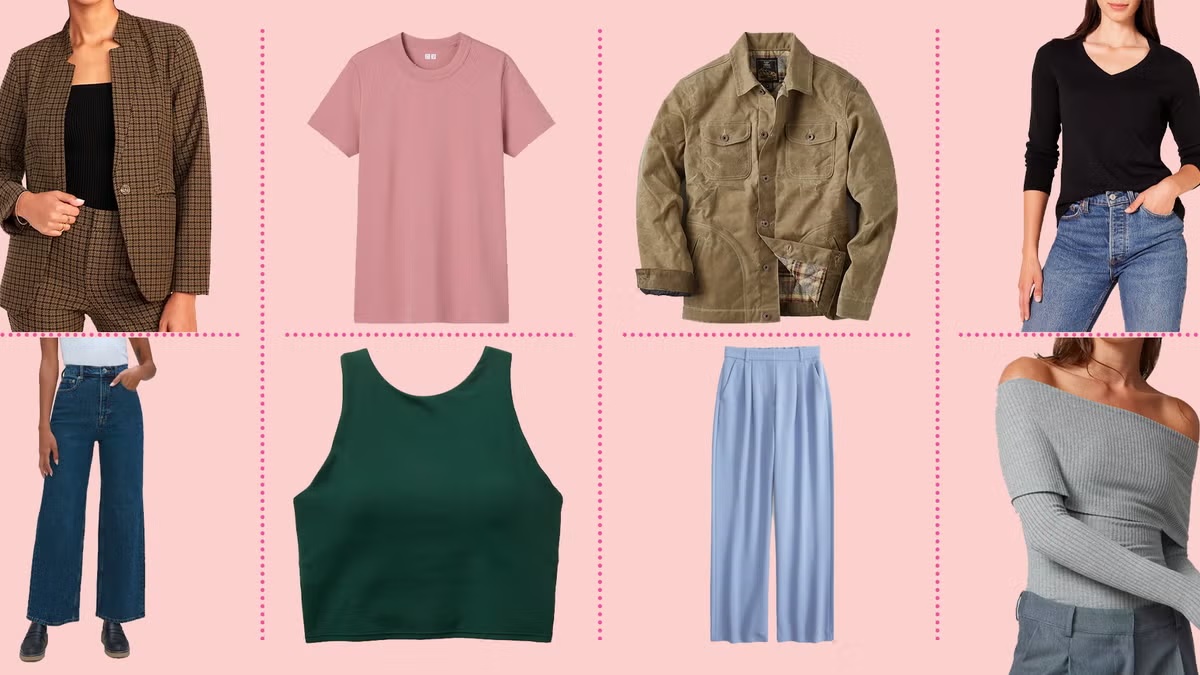
Clothing has evolved far beyond its original purpose of protection. Today, it embodies expression, identity, technology, and social awareness. In modern society, clothing functions as a mirror reflecting personal style, cultural heritage, and global innovation. The keyword clothing no longer simply represents fabric stitched into form; it stands as a powerful symbol of how people communicate individuality, sustainability, and progress through fashion.
Understanding the Foundation of Clothing
Clothing has always been an essential aspect of civilization, evolving alongside human history. From animal hides to advanced synthetic fibers, the progression of clothing mirrors human development. As society matured, garments became associated with hierarchy, status, and aesthetics. Today, clothing reflects the perfect blend of art and functionality, combining tradition with technology to cater to the needs of a modern lifestyle.
The Functional Role of Clothing
At its core, clothing provides comfort and protection. It shields the body from environmental elements like heat, cold, and moisture while ensuring mobility and breathability. However, modern consumers seek more than functionality. They demand smart clothing solutions that enhance comfort, improve performance, and align with sustainability values.
The Emotional and Cultural Value of Clothing
Clothing holds emotional significance across cultures. A wedding gown, military uniform, or graduation robe all carry powerful symbolic meanings. Cultural attire expresses community identity and tradition while evolving with contemporary trends. Global fashion continues to borrow inspiration from cultural garments, proving that clothing connects history with innovation.
Technological Advancements Transforming Clothing
The integration of technology in the fashion industry has revolutionized how clothing is produced, designed, and worn. Every stage of the supply chain, from material sourcing to retail experience, now incorporates digital innovation.
Smart Fabrics and Wearable Tech
Smart clothing combines textiles with digital technology to create garments that monitor physical performance and environmental conditions. Fitness-oriented apparel can track steps, heart rate, or muscle activity. Similarly, temperature-regulating fabrics adapt to body heat, ensuring maximum comfort. This innovation represents a growing intersection between fashion and science, signaling a shift toward personalized functionality.
3D Printing and Fabric Engineering
3D printing has allowed designers to craft intricate patterns, textures, and customized fits that traditional manufacturing could not achieve. Beyond aesthetics, this technology significantly reduces waste and accelerates production speed. Fabric engineering now allows for the creation of textiles that are lighter, stronger, and more sustainable, expanding the possibilities of what clothing can achieve in both performance and style.
Artificial Intelligence in Design
AI-driven analytics empower fashion designers and manufacturers to understand consumer preferences more accurately. By analyzing global trends, social media data, and historical purchasing patterns, AI can predict what styles will resonate with different audiences. This data-driven approach ensures clothing collections are not only visually appealing but also economically efficient and relevant.
The Sustainability Imperative in Modern Clothing
One of the most pressing challenges facing the clothing industry is environmental sustainability. The traditional fast fashion model has led to significant waste, pollution, and ethical concerns. However, the shift toward eco-conscious production is redefining how clothing is made and consumed.
Sustainable Materials
Brands and designers are increasingly turning to organic, renewable, and biodegradable materials. Organic cotton, hemp, bamboo, and recycled fibers have become staples in sustainable clothing production. Innovations such as lab-grown leather and plant-based textiles minimize reliance on harmful chemicals and animal products.
Circular Fashion and Waste Reduction
Circular fashion focuses on extending the lifecycle of clothing through reuse, recycling, and repair. This approach minimizes waste by creating systems where garments can be returned, reprocessed, or resold. Upcycling has become an important creative movement, transforming old clothes into new designs while preserving material integrity.
Ethical Labor and Transparency
Ethical fashion goes hand-in-hand with sustainability. Transparent supply chains ensure that workers are paid fairly and operate under safe conditions. Blockchain technology now helps consumers verify where and how their clothing was made, promoting accountability and trust between brands and buyers.
Clothing as a Reflection of Social Change
Fashion and clothing often mirror the social, political, and economic shifts of their time. The way people dress communicates values, beliefs, and cultural transformation.
Gender-Neutral and Inclusive Fashion
The modern clothing industry increasingly embraces inclusivity. Gender-neutral designs eliminate traditional boundaries, allowing clothing to be based on comfort and expression rather than gender stereotypes. Inclusive sizing has also become more prevalent, promoting body positivity and self-acceptance.
Cultural Fusion in Fashion
Globalization has blurred the lines between traditional and modern clothing. Designers frequently blend ethnic fabrics and motifs with contemporary silhouettes, creating globally inspired collections that appeal to diverse audiences. This fusion of heritage and modernity keeps cultural craftsmanship alive while fostering creativity.
The Rise of Minimalism and Slow Fashion
In contrast to the excesses of fast fashion, many consumers are turning toward minimalism. Slow fashion emphasizes quality over quantity, encouraging mindful purchasing decisions. Minimalist clothing focuses on timeless designs, durable fabrics, and versatility, ensuring that every piece holds long-term value.
The Digital Revolution in Clothing Retail
E-commerce and digital experiences have transformed how people shop for clothing. With online stores and virtual fitting rooms, the process of discovering and purchasing fashion has become more personalized and interactive.
Virtual Fitting and Augmented Reality
Augmented reality (AR) has introduced a new dimension to online shopping. Shoppers can now visualize how clothing fits their body without physically trying it on. This reduces return rates and increases satisfaction, providing a seamless digital experience that rivals traditional retail.
The Power of Social Media in Fashion
Social media platforms serve as both marketing tools and creative showcases. Influencers, stylists, and everyday users shape fashion trends through visual storytelling. Clothing brands that utilize authentic engagement rather than aggressive advertising create stronger relationships with audiences.
Personalization through Data Analytics
Data-driven personalization is reshaping online retail. AI algorithms recommend clothing styles, colors, and sizes based on a shopper’s previous behavior and preferences. This creates a tailored shopping journey that feels more intimate and satisfying.
The Future of Clothing: Innovation Meets Responsibility
The future of clothing lies at the intersection of technology, sustainability, and individuality. Advancements in materials science, biotechnology, and digital manufacturing will continue to redefine what garments can do.
Clothing will not only adapt to body temperature or movement but also generate energy, heal wounds, or resist pollution. As biotechnology develops, fabrics derived from lab-grown fibers will replace synthetic and animal-based materials. Additionally, 3D body scanning and virtual design tools will enable fully customized clothing production, eliminating the inefficiencies of mass manufacturing.
Ethical production will remain a cornerstone of fashion’s evolution. As consumers become more conscious, brands will need to demonstrate commitment to environmental responsibility and social equity. Those that integrate sustainability into their core operations will shape the next era of clothing innovation.
Frequently Asked Questions
Q1: What materials are most commonly used in sustainable clothing?
Organic cotton, recycled polyester, bamboo, hemp, and Tencel are leading sustainable materials due to their low environmental impact and renewable nature.
Q2: How does technology improve the clothing industry?
Technology enhances efficiency, personalization, and creativity. From AI-assisted design to AR fitting rooms and smart fabrics, tech-driven innovation helps brands meet modern consumer needs.
Q3: Why is circular fashion important?
Circular fashion promotes reuse and recycling, reducing waste and preserving resources. It ensures that clothing contributes to a regenerative rather than disposable economy.
Q4: What role does cultural heritage play in modern clothing design?
Cultural heritage inspires contemporary designs and preserves traditional craftsmanship. By blending old techniques with new styles, designers create timeless and meaningful clothing.
Q5: How does the rise of minimalism impact clothing consumption?
Minimalism encourages quality purchases and discourages overconsumption. Consumers focus on versatile, well-crafted garments that last longer and serve multiple purposes.
Q6: What are smart clothes, and how do they work?
Smart clothes incorporate digital sensors or conductive fibers that interact with the body or environment. They can monitor fitness levels, regulate temperature, or connect with devices for real-time data analysis.
Q7: How does personalization enhance customer experience in clothing retail?
Personalization uses data analytics to tailor shopping experiences, ensuring customers find styles that match their size, color preference, and lifestyle needs more effectively.
Through innovation, sustainability, and cultural awareness, clothing continues to evolve into something far greater than attire. It’s a fusion of design, technology, and human expression that defines who we are and where we’re headed.