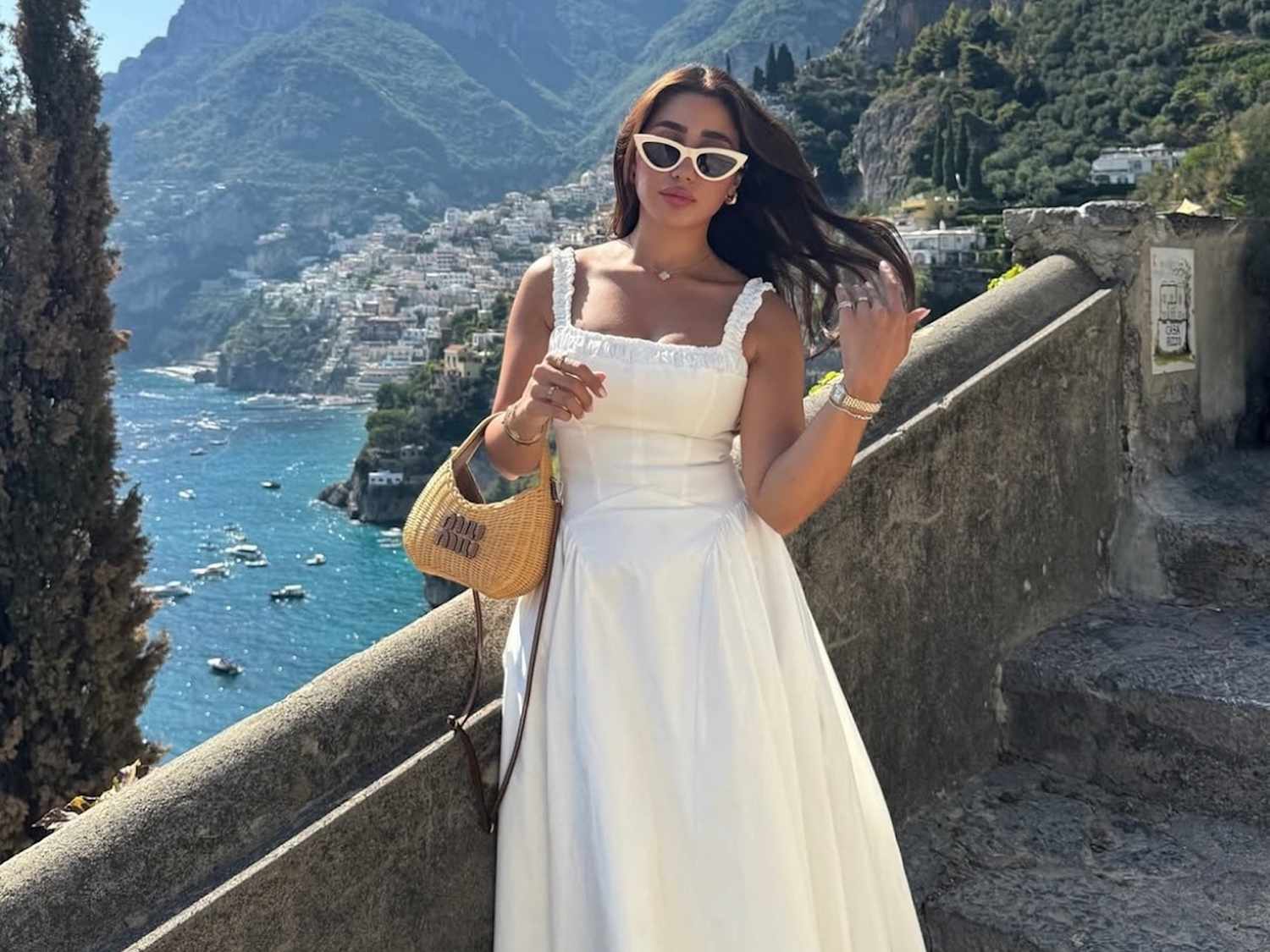
A dress is far more than just a piece of fabric sewn together. It is a symbol of history, individuality, art, and evolution. Across civilizations and generations, the dress has reflected the values, traditions, and aspirations of its time. From ancient royal garments to modern runway couture, dresses have carried the essence of human expression, craftsmanship, and transformation. Today, as fashion intersects with sustainability, technology, and inclusivity, the story of the dress continues to evolve in fascinating ways.
The Historical Journey of the Dress
Understanding the modern dress begins with tracing its origins through different eras. The concept of a dress has existed for centuries, taking various forms in diverse cultures. Initially, dresses were functional, designed to protect the body from weather or to signify social rank. Over time, they evolved into artistic expressions that defined eras and ideologies.
Ancient Civilizations and Early Designs
In ancient Egypt, dresses made from linen symbolized purity and social hierarchy. Draped silhouettes were crafted to keep wearers cool in the desert heat while showcasing status through intricate pleating and beadwork. Greek and Roman women favored long, flowing tunics known as chitons and stolas, representing grace and simplicity. These designs emphasized natural body lines and introduced the concept of elegance in fashion.
During the Middle Ages, European dresses became indicators of wealth and nobility. Luxurious fabrics such as silk, velvet, and brocade were reserved for the elite, while commoners wore simpler woolen garments. The Renaissance period then brought structural innovation, with corsets, layered skirts, and embellishments that demonstrated artistry and social prestige.
The Evolution through Modern Centuries
The 19th and 20th centuries saw rapid changes in dress design due to industrialization, women’s rights movements, and cultural revolutions. The Victorian era popularized voluminous gowns with crinolines and lace. The 1920s flapper dress broke conventions with shorter hemlines and fluid silhouettes, symbolizing liberation and modernity.
Post-World War II fashion celebrated femininity through the hourglass silhouettes of the 1950s, followed by the bold, geometric designs of the 1960s. Each decade reflected societal moods and transformations, using the dress as a canvas to express collective and personal identity.
The Cultural Significance of Dresses Around the World
A dress holds unique meanings in every culture. It serves as a storyteller, preserving traditions, beliefs, and artistry passed through generations.
Symbolism in Traditional Attire
Cultural dresses often represent milestones and rituals. In Japan, the kimono is worn for ceremonies, embodying respect and heritage through its precise folds and motifs. Indian sarees and lehengas showcase intricate craftsmanship, often handwoven with symbolic patterns representing prosperity, love, and spirituality. African dresses like the kitenge or dashiki celebrate identity and community through vibrant colors and prints.
These traditional garments transcend fashion trends, acting as cultural archives that connect modern generations with their ancestors. Even in an era of globalized fashion, cultural dresses maintain their timeless appeal and relevance.
Dresses as Expressions of Social Change
Throughout history, dresses have been used to communicate rebellion, freedom, and empowerment. The suffragette movement adopted white dresses as symbols of purity and justice, while the 1970s saw women embracing trousers and minimalist dresses as statements of equality.
Today, dresses continue to carry social meaning. From gender-neutral designs to adaptive clothing for differently-abled individuals, modern fashion champions inclusivity and accessibility. Designers now use dresses to promote awareness about issues such as sustainability and ethical fashion, blending aesthetics with advocacy.
The Modern Craftsmanship Behind Dress Design
Designing a dress today involves a sophisticated blend of creativity, technology, and craftsmanship. Every element—from fabric selection to silhouette construction—plays a role in defining its elegance and comfort.
Fabric Selection and Innovation
The fabric is the foundation of a dress. Natural fibers such as cotton, silk, and linen remain timeless choices due to their texture and breathability. However, modern textile innovations have introduced eco-friendly materials like organic bamboo, recycled polyester, and plant-based fabrics. These sustainable options reduce waste and pollution without compromising luxury or durability.
Smart textiles have also revolutionized how dresses function. Some fabrics can regulate temperature, resist stains, or even change color with light exposure. This fusion of science and fashion has given rise to garments that are both beautiful and practical.
The Art of Tailoring and Fit
A well-tailored dress enhances confidence and comfort. Skilled artisans use precise measurements and pattern-making techniques to ensure the perfect fit. While mass production has made fashion more accessible, bespoke tailoring remains a symbol of luxury and craftsmanship.
Technology now plays a major role in improving fit accuracy. 3D body scanning allows designers to create personalized patterns, ensuring each dress complements the wearer’s body shape. This combination of tradition and innovation is redefining how dresses are designed and experienced.
The Role of Design and Aesthetic Vision
Dress design begins with a vision—a fusion of emotion, concept, and artistry. Designers draw inspiration from architecture, nature, or cultural narratives to create unique pieces. The silhouette, neckline, and detailing are carefully chosen to evoke emotion and storytelling. Every seam and stitch contributes to the overall harmony of the garment.
Sustainability: Redefining the Future of Dresses
The fashion industry is undergoing a necessary transformation toward environmental responsibility, and dresses are at the forefront of this change. As consumers become more aware of the ecological impact of fast fashion, sustainable design principles are shaping the future of dressmaking.
Eco-Conscious Production
Sustainable dress production focuses on minimizing waste and resource consumption. Designers are adopting zero-waste patterns, digital printing, and water-efficient dyeing processes. Upcycling and slow fashion movements encourage consumers to invest in timeless dresses made from durable materials rather than short-lived trends.
Transparency and Ethical Sourcing
Ethical fashion ensures that every stage of production, from material sourcing to garment assembly, respects human rights and environmental standards. Brands increasingly disclose information about their supply chains, allowing consumers to make informed decisions. The modern dress, therefore, becomes not just an object of beauty but a statement of integrity and consciousness.
Dresses in the Digital Age
The digital revolution has changed how dresses are marketed, sold, and even created. Technology now bridges creativity and accessibility, reshaping how people interact with fashion.
The Rise of Virtual Fashion
Virtual fashion and augmented reality (AR) allow consumers to try on dresses digitally before making a purchase. These innovations enhance convenience and reduce returns, contributing to sustainability. Virtual runway shows and digital fashion design tools also make the creative process more inclusive and efficient.
Data-Driven Personalization
AI-driven algorithms analyze consumer preferences to recommend dresses that align with individual tastes and lifestyles. This personalization enhances customer satisfaction while helping designers anticipate future trends.
E-Commerce and Global Accessibility
E-commerce platforms have made dresses from any part of the world available to a global audience. This accessibility allows cultural designs to gain international recognition, supporting artisans and small designers in reaching new markets.
The Psychological Power of Wearing a Dress
Clothing influences perception, confidence, and self-expression, and dresses have a unique emotional impact. The act of wearing a dress often symbolizes confidence, femininity, and celebration. Psychologists refer to this as enclothed cognition—the idea that clothing affects mood and performance.
Wearing a well-designed dress can enhance self-assurance, foster creativity, and even influence how others perceive the wearer. This emotional connection makes dresses not just fashion items but meaningful extensions of identity.
Frequently Asked Questions
Q1: What are the most popular fabrics used in modern dressmaking?
Modern dresses often feature fabrics like silk, satin, chiffon, and sustainable alternatives such as organic cotton, recycled polyester, and bamboo fiber for eco-conscious fashion.
Q2: How does technology influence dress design today?
Technology supports 3D modeling, virtual try-ons, and AI-driven design predictions, allowing for better fit, personalization, and efficiency in the creative process.
Q3: What defines sustainable dress fashion?
Sustainable dress fashion focuses on eco-friendly materials, ethical labor, and minimal waste. It values quality and longevity over mass production and short-lived trends.
Q4: How have dresses evolved with cultural diversity?
Cultural diversity has inspired hybrid designs that combine traditional craftsmanship with modern aesthetics, allowing dresses to serve as global symbols of unity and creativity.
Q5: Why do dresses hold emotional value?
Dresses often represent milestones—weddings, graduations, or celebrations—making them emotionally significant and deeply personal to the wearer.
Q6: What role does inclusivity play in modern dress design?
Inclusivity ensures that dresses cater to all body types, abilities, and gender identities. It promotes representation and confidence for every individual.
Q7: How is sustainability influencing the future of dresses?
Sustainability is driving innovation in material development, recycling processes, and digital production methods that reduce environmental impact while maintaining beauty and function.
From historical elegance to futuristic innovation, the dress remains an enduring symbol of creativity and identity. It connects people across generations and cultures, continually adapting to reflect the world’s changing values and aspirations.